

Common Fit Issues in Lower Limb Prosthetics
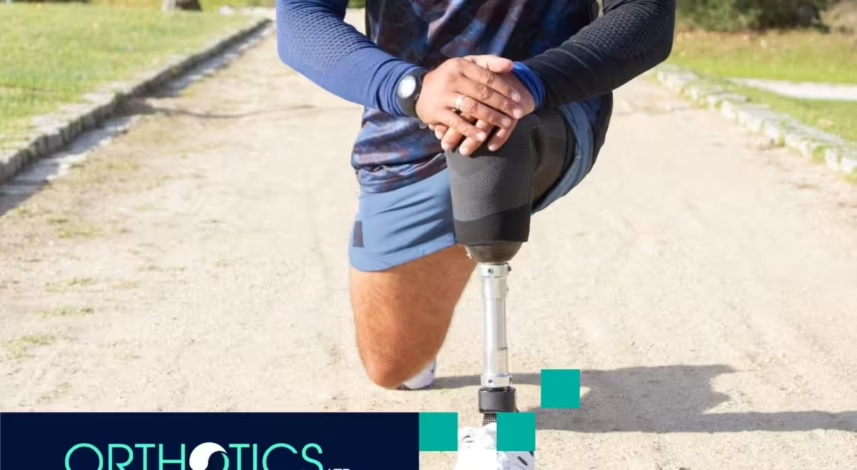
Key Highlights
- Proper fit in lower limb prosthetics is critical for comfort, mobility, and injury prevention.
- Common fit issues include socket discomfort, skin irritation, instability, and limb volume changes.
- Early identification of fit problems prevents pain, falls, and long-term complications.
- Regular follow-ups with a certified prosthetist ensure optimal alignment and function.
- Practical tips and real case examples help users maintain prosthetic comfort and performance.
Fit Issues in Lower Limb Prosthetics
Lower limb prosthetics are essential for restoring mobility, independence, and quality of life after amputation. However, achieving the perfect fit can be challenging. Even slight misalignments or socket issues can cause discomfort, pain, and secondary complications. Understanding common fit issues, their causes, and how to address them is vital for prosthetic users, caregivers, and healthcare professionals.
This guide explores the most frequent fit problems in lower limb prosthetics, illustrated with real-world examples from clinical practice, and provides practical solutions to ensure comfort, safety, and optimal function.
1. Socket Discomfort
The prosthetic socket—the interface between the residual limb and the prosthetic—plays a key role in comfort and function. Common issues include:
- Pressure points causing pain or skin breakdown
- Socket too tight or too loose
- Uneven pressure distribution
Case Example: In our sessions, a patient reported pain around the distal end of the residual limb. Examination revealed that the socket had become loose over time due to limb volume changes. A re-fit with a modified liner relieved pressure and restored walking comfort.
Professional Insight: “Socket comfort is the foundation of successful prosthetic use. Even minor adjustments can dramatically improve mobility and reduce skin complications.”
2. Skin Irritation and Breakdown
Skin issues are among the most common complications in prosthetic users. Causes include friction, excessive moisture, poor socket fit, or improper alignment. Symptoms may include redness, blisters, rashes, or ulceration.
Checklist for Prevention:
- Inspect the residual limb daily for redness or sores
- Use appropriate liners and socks to reduce friction
- Maintain proper hygiene and dry the limb thoroughly before donning the prosthetic
Case Example: A patient developed a blister from a poorly-padded socket after increasing walking activity. Adjusting the liner and adding cushioning prevented further skin damage and allowed safe mobility.
3. Instability or Wobbling
A prosthetic that feels unstable can increase the risk of falls and limit activity. Common causes:
- Poor alignment of the prosthetic components
- Socket fit changes due to limb volume fluctuations
- Worn suspension systems
Professional Insight: “We’ve seen patients compensate for instability by limping or shifting weight, which can cause joint pain in the hips or lower back.”
Tip: Regular gait assessments and adjustments by a prosthetist help maintain stability, especially after activity changes or weight fluctuations.
4. Limb Volume Changes
Residual limb volume changes—due to fluid shifts, weight gain or loss, or muscle atrophy—affect prosthetic fit. This can result in:
- Loose sockets that slip during walking
- Tight sockets are causing pressure and discomfort
- Uneven weight distribution and altered gait
Case Example: One patient noticed daily fluctuations in fit during the first months after amputation. Using adjustable liners and daily limb volume monitoring helped maintain comfort throughout the day.
Effects of Limb Volume Changes on Prosthetic Fit
| Limb Volume Change | Fit Issue | Recommended Action |
|---|---|---|
| Decrease (atrophy/weight loss) | Loose socket, slipping | Add liners, adjust socket fit, monitor daily |
| Increase (weight gain, swelling) | Tight socket, pressure points | Stretch socket, adjust padding, consult prosthetist |
| Daily fluctuations | Variable comfort | Use adjustable liners or sock ply system |
5. Alignment Issues
Proper prosthetic alignment is essential for smooth gait, joint protection, and comfort. Misalignment can cause:
- Hip, knee, or back pain
- Uneven wear on prosthetic components
- Compensatory movement patterns
Professional Insight: “In our sessions, a minor rotational misalignment in a below-knee prosthesis caused knee pain after just one week of walking. Realignment resolved discomfort and improved gait efficiency.”
6. Excessive Heat and Moisture
Heat and moisture accumulation inside the socket can lead to:
- Skin maceration or infections
- Increased sweating and odor
- Discomfort that reduces prosthetic wear time
Tips for Management:
- Use moisture-wicking liners and socks
- Ensure proper ventilation in prosthetic design
- Clean and air out the socket daily
Case Example: A teenager with a transtibial prosthesis experienced rashes after sports activities. Switching to a breathable liner and adjusting donning techniques reduced irritation and improved participation in physical education.
7. Component Wear
Even with proper fit, prosthetic components wear over time. Common issues include:
- Worn-out feet or knees affecting gait
- Loose screws or suspension systems
- Cracks in sockets or pylons
Professional Insight: “Regular inspections often catch minor wear before it becomes a major safety concern. We recommend scheduled annual check-ups or sooner if activity levels increase.”
8. Psychological and Functional Considerations
Fit issues are not only physical. Discomfort or instability can affect confidence, independence, and social participation. Children and adults may avoid activity due to fear of pain or falls, leading to reduced mobility.
Case Example: A patient avoided walking long distances due to socket discomfort, impacting social engagement. After refitting and alignment adjustments, confidence improved, and activity levels returned to baseline.
9. Tips for Maintaining Proper Fit
- Schedule routine evaluations with a certified prosthetist
- Monitor limb changes and adjust liners as needed
- Track activity levels and adjust suspension for high-impact use
- Educate caregivers and family on the early signs of fit issues
- Maintain hygiene and inspect skin daily
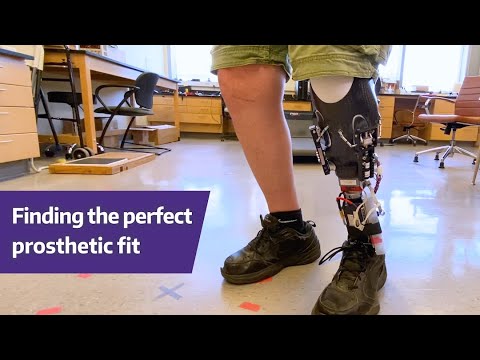
Final Thoughts
Lower limb prosthetics significantly enhance mobility and independence, but achieving and maintaining the correct fit is essential. Awareness of common fit issues, proactive monitoring, and timely professional adjustments help prevent discomfort, injuries, and functional limitations. For expert assessments, personalized adjustments, and high-quality prosthetic solutions, Orthotics Ltd. provides comprehensive services tailored to each user’s needs. Contact us today!Frequently Asked Questions
1. How often should lower limb prosthetics be evaluated?
Typically, every 6–12 months, or sooner if there is pain, instability, or visible wear concerns.
2. What are the early signs that a prosthetic does not fit properly?
Discomfort, redness, blisters, wobbling, changes in gait, or uneven pressure distribution.
3. Can socket liners help with fluctuating limb volume?
Yes, adjustable or multi-ply liners accommodate daily volume changes and maintain comfort.
4. How can I prevent skin irritation?
Keep the residual limb clean and dry, inspect daily, use appropriate liners, and address any pressure points promptly.
5. When should I replace prosthetic components?
Feet, knees, pylons, or suspension systems should be inspected regularly and replaced when worn, damaged, or affecting function.
Sources:
- https://www.physio-pedia.com/Lower_Limb_Prosthetic_Sockets_and_Suspension_Systems
- https://amputee-coalition.org/skin-care-101/
- https://www.merckmanuals.com/home/special-subjects/limb-prosthetics/skin-care-of-the-residual-limb
- https://www.physio-pedia.com/Gait_in_prosthetic_rehabilitation
- https://www.nature.com/articles/s41598-023-27438-1
