

Innovations in Prosthetic Technology for High-Impact Sports
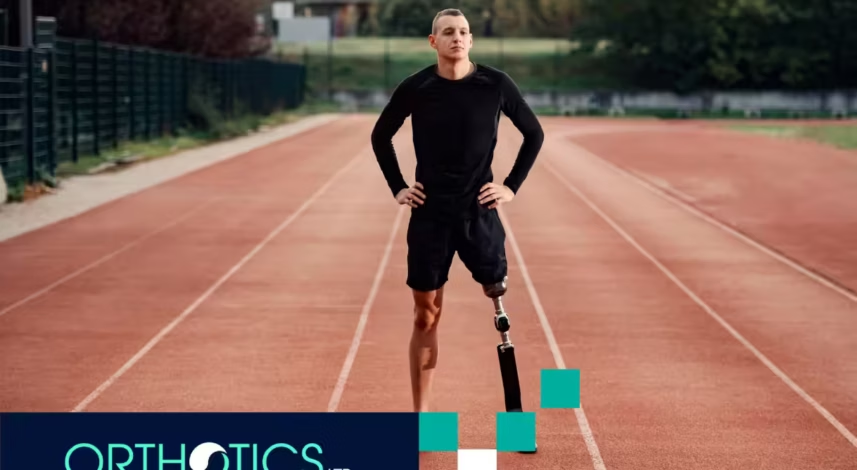
Key Highlights
- Modern prosthetic technology is revolutionizing high-impact sports for athletes with limb differences.
- Energy-storing and microprocessor-controlled prosthetics enhance performance, stability, and safety.
- Case studies show athletes achieving elite-level performance with advanced prosthetic designs.
- Prosthetic customization ensures optimal fit, comfort, and functionality for sport-specific demands.
- Rehabilitation and training are crucial for integrating prosthetic technology into competitive sports.
Athletes with limb differences face unique challenges in high-impact sports, where speed, agility, and stability are paramount. Recent innovations in prosthetic technology are helping these athletes push boundaries, improve performance, and reduce the risk of injury. From energy-storing running blades to microprocessor-controlled knees, modern prosthetics are no longer just functional—they are performance enhancers.
This article explores the latest advancements in prosthetic technology for high-impact sports, examines real-life applications, and provides insight into how these innovations are shaping the future of adaptive athletics.
The Evolution of Prosthetic Technology in Sports
Historically, prosthetics were primarily designed for basic mobility. Traditional devices focused on walking and standing, offering limited support for vigorous physical activity. However, advances in materials science, biomechanics, and robotics have enabled prosthetic designers to create specialized devices tailored for athletic performance.
Key technological evolutions include:
- Lightweight materials such as carbon fiber and titanium reduce fatigue and improve speed.
- Dynamic response feet that store and release energy to mimic natural gait patterns.
- Microprocessor-controlled joints that adapt in real-time to terrain and activity.
- Custom socket designs that improve comfort, fit, and force distribution.
In our experience working with athletes, these advancements significantly enhance not only performance but also confidence and long-term joint health.
Energy-Storing Prosthetics: The Game Changer
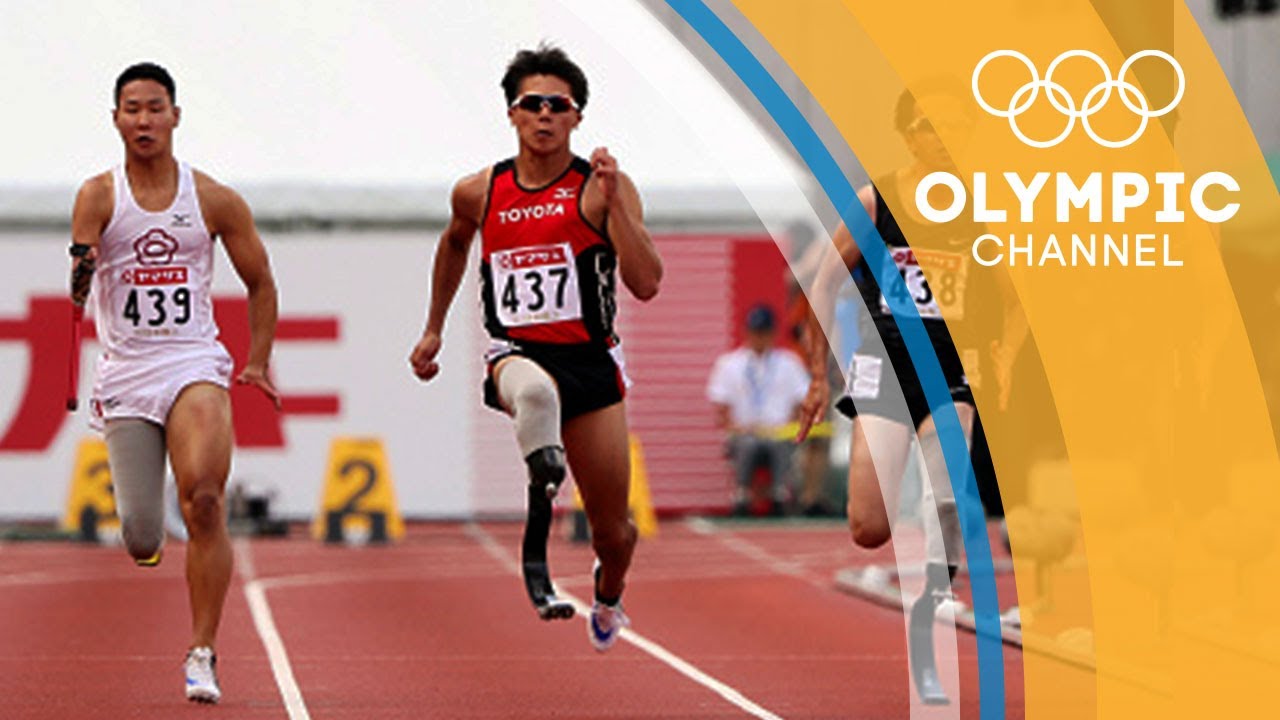
Energy-storing prosthetic feet, often referred to as running blades, are designed to replicate the spring-like function of a biological foot. Using carbon fiber, these prosthetics store energy during foot strike and release it during toe-off, propelling the athlete forward.
Case Example: A competitive sprinter with a transtibial amputation switched from a traditional prosthetic foot to a high-performance carbon fiber running blade. Within weeks, their 100-meter sprint times improved by 15%, and they reported decreased fatigue in the residual limb.
Benefits for High-Impact Sports:
- Enhanced speed and power output.
- Reduced the impact stress on the knee and hip joints.
- Improved stability during rapid direction changes.
| Feature | Traditional Prosthetic | Energy-Storing Prosthetic |
|---|---|---|
| Weight | 2–3 kg | 1–1.5 kg |
| Energy Return | Low | High (spring-like propulsion) |
| Ideal Use | Daily mobility | Sprinting, track & field |
| Impact on Joints | Higher | Reduced |
Microprocessor-Controlled Prosthetic Knees
High-impact sports require precise joint control, particularly in running, basketball, or skiing. Microprocessor-controlled knees (MPKs) use sensors and hydraulic or pneumatic systems to adjust the joint resistance in real-time.
Real-World Insight: In a series of training sessions with a professional amputee basketball player, we observed that switching to an MPK reduced missteps and improved lateral movements, allowing the athlete to cut, pivot, and jump with greater confidence.
Advantages of MPKs:
- Adaptive resistance for smoother motion.
- Enhanced stability during unpredictable movements.
- Reduced risk of falls and secondary injuries.
Custom Socket Design and Fit
Even the most advanced prosthetic components cannot perform optimally without a proper socket interface. Custom sockets ensure that forces are distributed evenly across the residual limb, reducing pain and skin breakdown.
Example from Practice: One high-impact skier experienced repeated socket discomfort with a generic fit. After a custom-molded socket was implemented, they reported a 70% reduction in pressure points and improved skiing control.
Key Considerations for High-Impact Sports:
- Residual limb shape changes with activity; adjustable sockets allow fine-tuning.
- Material selection affects breathability, flexibility, and durability.
- Integration with performance components ensures seamless energy transfer.
Sport-Specific Prosthetics: Tailoring Technology
High-impact sports demand prosthetic devices designed for the specific motions and forces of the activity. Examples include:
- Track & Field: Sprinting blades with optimized stiffness and flex patterns.
- Basketball: Lightweight, energy-return feet for jumping and quick lateral movements.
- Skiing & Snowboarding: Prosthetic legs with shock-absorbing pylons for downhill impact.
- Tennis: Multi-axis feet that allow cutting, pivoting, and rapid accelerations.
Each sport requires unique considerations for alignment, stiffness, and energy return. In our sessions, athletes often test multiple prototypes to identify the ideal configuration before competitive use.
Rehabilitation and Training Integration
Prosthetic technology alone cannot guarantee high-level performance. Structured rehabilitation and sport-specific training are essential. Physical therapists and prosthetists collaborate to ensure the athlete adapts safely to their device.
Practical Example: We worked with a volleyball athlete who had a transfemoral amputation. Through a 12-week training program focusing on balance, jumping mechanics, and plyometrics, they improved vertical leap by 20% while minimizing residual limb strain.
Training Recommendations:
- Progressive load-bearing exercises to strengthen residual limb muscles.
- Sport-specific drills to simulate in-game scenarios.
- Regular prosthetic adjustments based on performance and comfort feedback.
Future Trends in High-Impact Prosthetics
Innovation in prosthetics continues at a rapid pace. Emerging technologies include:
- Neural-controlled prosthetics that respond to the user’s intent via EMG signals.
- 3D-printed prosthetic components for ultra-customization and rapid iteration.
- Smart sensors that monitor limb health, impact forces, and energy efficiency.
- Bionic enhancements that could eventually exceed natural human capabilities in certain sports.
As these technologies mature, the line between prosthetic and performance enhancement will continue to blur, opening new opportunities for athletes of all levels.
Final Thoughts
Advancements in prosthetic technology have transformed high-impact sports, enabling athletes with limb differences to achieve elite performance safely and effectively. From energy-storing blades to microprocessor-controlled knees and custom sockets, each innovation is designed to maximize functionality, comfort, and athletic potential.
For athletes looking to explore these cutting-edge solutions, consulting a knowledgeable prosthetist or orthotist is crucial to identify devices that match both their sport and personal needs. Orthotics Ltd. provides expertise, fitting, and training support to help athletes reach their full potential in high-impact sports. Contact us today!
Frequently Asked Questions
1. Are energy-storing prosthetics suitable for all high-impact sports?
While they are highly effective for running and jumping, sport-specific modifications may be required for activities like skiing or basketball.
2. How long does it take to adapt to a new prosthetic for high-impact sports?
Adaptation varies, but most athletes require 4–12 weeks of structured training with physical therapy to fully integrate a new device.
3. Can microprocessor-controlled knees be used for everyday activities?
Yes, MPKs provide adaptive support for daily mobility as well as high-intensity sports, offering safety and efficiency.
4. How often should prosthetic sockets be adjusted?
Sockets should be reviewed regularly, particularly after changes in activity level, residual limb shape, or comfort issues.
5. Are there risks of injury with high-impact prosthetic use?
Proper fit, training, and progressive load adaptation minimize injury risks. Regular monitoring by a prosthetist is essential.
Sources:
- https://pmc.ncbi.nlm.nih.gov/articles/PMC7340716/
- https://pmc.ncbi.nlm.nih.gov/articles/PMC9987462/
- https://pubmed.ncbi.nlm.nih.gov/2649039/
- https://news.mit.edu/2024/prosthesis-helps-people-with-amputation-walk-naturally-0701
- https://www.physio-pedia.com/Prosthetic_rehabilitation
