

Understanding Pediatric Prosthetic Socket Systems
Key Highlights
- Pediatric prosthetic socket systems are essential for comfort, growth accommodation, and mobility.
- Proper socket design minimizes skin irritation and enhances functional performance for children.
- Adjustable and modular sockets adapt to rapid growth and changing limb shapes.
- Case examples demonstrate improved activity levels and confidence with tailored pediatric prosthetics.
- Collaboration among prosthetists, therapists, and families ensures successful long-term outcomes.
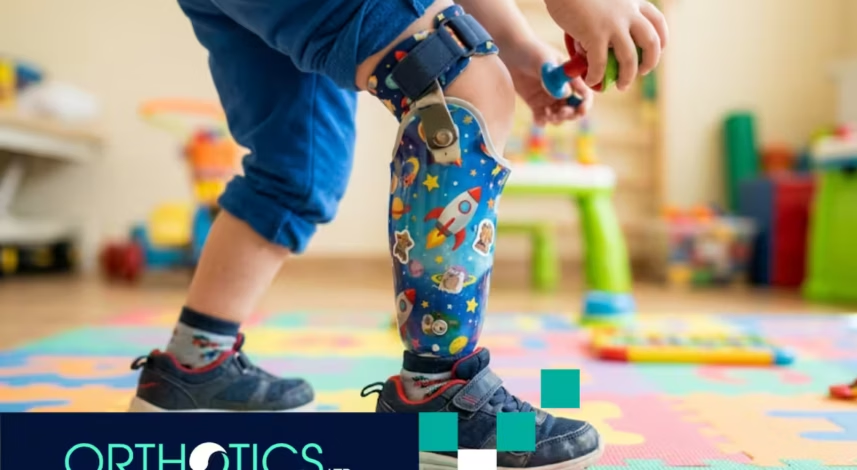
Prosthetic care for children is more than a scaled-down version of adult care. Pediatric prosthetic socket systems are critical for ensuring comfort, mobility, and healthy development. Because children’s limbs grow and change quickly, sockets must be carefully designed, frequently adjusted, and tailored to each child’s needs.
Understanding the types of socket systems, how they work, and the considerations unique to pediatric care can help families make informed decisions and optimize their child’s prosthetic experience.
What Is a Pediatric Prosthetic Socket?
The prosthetic socket is the interface between the residual limb and the prosthetic device. In children, it serves several essential purposes:
- Distributes pressure evenly to avoid skin breakdown.
- Provides stability to improve balance and gait.
- Accommodates growth to minimize frequent replacements.
- Integrates with prosthetic components such as knees, feet, or activity-specific devices.
Unlike adults, pediatric patients often experience rapid residual limb changes due to growth, activity, and rehabilitation progress. This requires more adaptable and flexible socket solutions.
Example from Practice: We’ve seen toddlers who initially struggled with prosthetic tolerance achieve improved mobility and confidence once transitioned to a modular pediatric socket system. The adjustability allowed gradual adaptation to increased wear time while preventing irritation.
Types of Pediatric Prosthetic Socket Systems
1. Hard (Rigid) Sockets
- Constructed from durable materials like thermoplastics or carbon fiber.
- Provide maximum support and stability.
- Often used for older children with stable residual limbs.
Pros:
- Strong, long-lasting structure.
- Precise alignment control.
Cons:
- Less forgiving for growth and volume changes.
- May require frequent modifications as the child grows.
2. Flexible (Soft or Dynamic) Sockets
- Made from softer, adaptable materials.
- Cushion sensitive skin and accommodate minor limb volume changes.
Pros:
- Comfortable and forgiving for sensitive skin.
- Easier to adjust for small growth changes.
Cons:
-
Less rigid, may provide slightly reduced control for high-impact activities.
3. Modular and Adjustable Sockets
- Designed to grow with the child.
- Allow component adjustments without full socket replacement.
Pros:
- Reduces costs over time.
- Allows gradual adaptation and increased comfort.
Cons:
-
Slightly more complex to fit initially.
| Socket Type | Material | Ideal Age/Stage | Growth Accommodation | Skin Protection |
|---|---|---|---|---|
| Hard/Rigid | Carbon fiber/thermoplastics | Older children / stable limbs | Limited; may require replacement | Moderate |
| Flexible / Soft | Silicone, polyurethane | Toddlers, sensitive skin | Good; adapts to minor changes | High |
| Modular / Adjustable | Combination systems | Any pediatric stage | Excellent; grows with the child | High |
Key Considerations in Pediatric Socket Design
- Growth Accommodation: Children’s residual limbs change rapidly, requiring sockets that can adapt or be replaced efficiently.
- Comfort and Skin Health: Sensitive skin, scar tissue, and active play demand cushioned liners and smooth surfaces.
- Functional Goals: Prosthetics should support both daily activities and recreational play, including running, climbing, and sports.
- Family and Caregiver Involvement: Training families to monitor fit, skin health, and wear schedules improves outcomes and reduces complications.
Example from Practice: We worked with a 6-year-old with a below-knee amputation who struggled with skin redness using a rigid socket. Transitioning to a modular socket with a gel liner reduced irritation and allowed full participation in physical education and playground activities.
Prosthetic Fitting Process for Children
- Assessment: Measurement of the residual limb, observation of growth patterns, and evaluation of activity needs.
- Socket Design & Fabrication: Choice of materials and system type based on age, activity level, and skin sensitivity.
- Initial Fitting: Trial session to ensure comfort, alignment, and functionality.
- Training & Adaptation: Gradual wear schedule, gait training, and activity integration.
- Ongoing Adjustments: Regular follow-ups to accommodate growth, changes in limb volume, and activity levels.
Insight from Practice: In our sessions, children who underwent structured adaptation schedules—starting with 1–2 hours of wear per day—tolerated their prosthetics much better than those introduced to full-day use immediately.
Advanced Materials and Technology
Modern pediatric sockets incorporate advanced materials and technology to enhance function and comfort:
- Silicone liners: Provide cushioning and reduce friction.
- Carbon fiber components: Lightweight and durable, ideal for active play.
- 3D scanning & printing: Enables precise, customizable socket shapes that adapt to complex limb geometries.
- Adjustable suspension systems: Allow caregivers to fine-tune fit as limbs grow or change throughout the day.
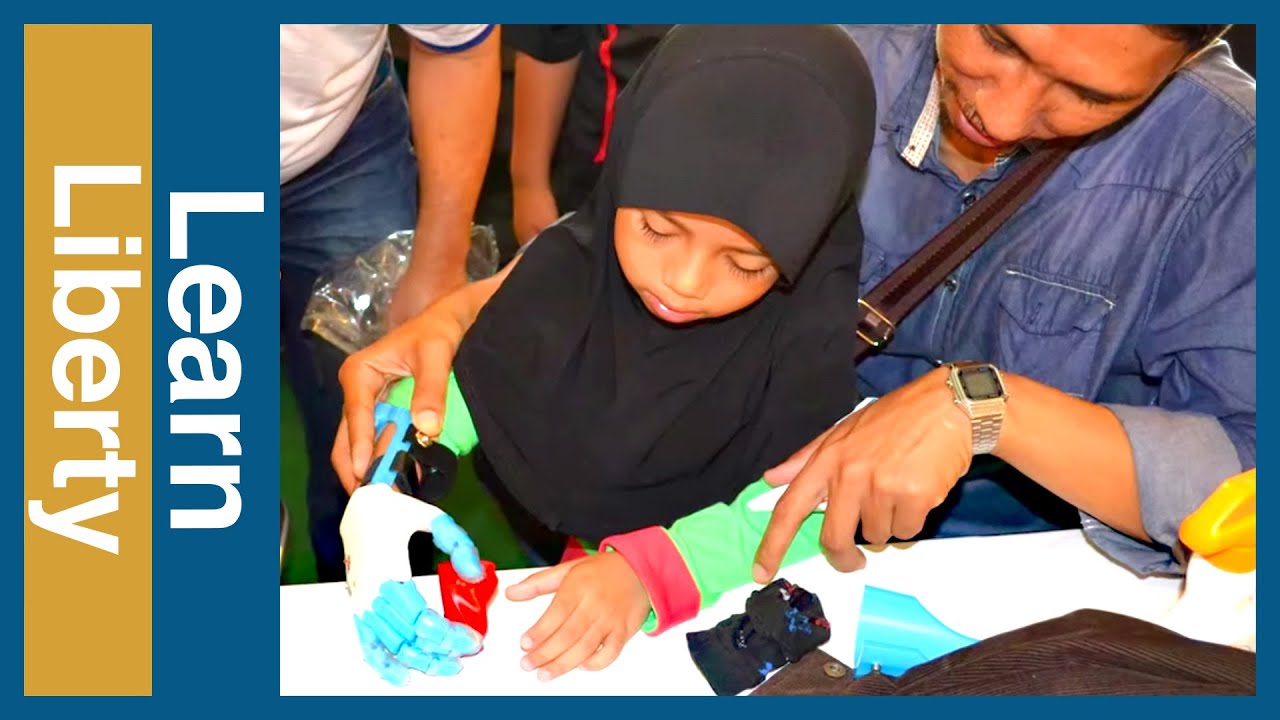
Case Example: A 10-year-old child with a congenital limb difference used a 3D-printed socket system. Over six months, incremental adjustments accommodated growth without requiring a full socket replacement, maintaining comfort and high activity levels.
Supporting Functional Development
Socket systems are not just about fit—they are critical for a child’s physical and emotional development:
- Physical development: Proper alignment encourages natural gait, muscle strength, and coordination.
- Confidence and independence: Comfortable and functional prosthetics allow children to participate fully in school, play, and sports.
- Minimizing complications: Well-designed sockets reduce the risk of pressure sores, skin breakdown, and prosthetic rejection.
Example from Practice: We observed a preschool-aged child who was initially hesitant to wear their prosthetic. After transitioning to a modular socket with a soft liner, they engaged fully in playground activities, improved balance, and developed social confidence with peers.
Collaboration Between Specialists and Families
Successful pediatric prosthetic care relies on a team approach:
- Prosthetists: Design and fit the socket for optimal function.
- Physical and occupational therapists: Provide gait training and support developmental milestones.
- Families: Monitor daily wear, skin health, and provide feedback for adjustments.
- Pediatricians and surgeons: Advise on medical considerations, surgical history, and wound healing.
Insight from Practice: We’ve found that consistent communication between families and the prosthetic team reduces complications and accelerates functional progress, particularly during periods of rapid growth.
Final Thoughts
Pediatric prosthetic socket systems are vital for ensuring comfort, safety, and functional mobility. With options ranging from rigid to flexible to modular designs, each system addresses different needs based on age, activity level, and growth patterns. Early intervention, structured adaptation, and collaboration among specialists and families are key to helping children thrive.
For families seeking expert guidance, fitting, and ongoing support, providers like Orthotics Ltd. specialize in pediatric prosthetics that grow with the child, combining advanced materials, innovative design, and individualized care for the best possible outcomes. Contact us today!
Frequently Asked Questions
1. How often should a child’s prosthetic socket be replaced?
Frequency varies with age and growth, but typically every 6–12 months or sooner if the fit becomes uncomfortable.
2. What is the best socket type for toddlers?
Flexible or modular sockets are often preferred for comfort and to accommodate rapid growth.
3. Can a prosthetic socket affect a child’s play and school activities?
Yes, proper design and fit are crucial for safe participation in daily activities, sports, and playground play.
4. Are 3D-printed sockets safe for children?
Yes, when designed and fabricated by certified professionals, 3D-printed sockets provide a precise fit and excellent functionality.
5. How do families help maintain a prosthetic socket?
Regular cleaning, monitoring skin for redness or sores, and reporting any discomfort promptly to the prosthetist ensures long-term success.
Sources:
- https://pubmed.ncbi.nlm.nih.gov/1946626/
- https://pubmed.ncbi.nlm.nih.gov/3217244/
- https://www.sciencedirect.com/science/article/pii/S2768276524005856
- https://www.physio-pedia.com/Prosthetic_rehabilitation
- https://www.icrc.org/sites/default/files/external/doc/en/assets/files/other/icrc_002_0936.pdf
