

Pediatric Orthotics in New York: Supporting Growing Children
Key Highlights
- Pediatric orthotics help correct alignment, improve mobility, and support healthy growth in children
- Early intervention can prevent long-term complications and improve quality of life
- Custom orthotic devices are tailored to each child’s unique developmental needs
- Real-world cases show measurable improvements in walking, posture, and independence
- Collaboration between providers, parents, and therapists ensures the best outcomes
Understanding Pediatric Orthotics
Children grow rapidly, and with that growth comes constant change in their bones, muscles, and joints. While most children develop naturally, some experience conditions that affect their movement, posture, or overall physical development. This is where pediatric orthotics plays a vital role.
Pediatric orthotics refers to specialized devices designed to support, align, or correct musculoskeletal issues in children. These devices are carefully customized to accommodate a child’s growth while addressing specific conditions such as flat feet, toe walking, cerebral palsy, or developmental delays.
Unlike adult orthotics, pediatric devices must adapt over time. A child’s needs evolve quickly, which means ongoing evaluation and adjustments are essential.
Why Early Intervention Matters
One of the most critical aspects of pediatric orthotic care is timing. Early identification and intervention can significantly impact a child’s long-term mobility and independence.
When alignment issues or gait abnormalities are addressed early:
- Muscles develop more evenly
- Joint stress is reduced
- Movement patterns improve
- The risk of future complications decreases
In clinical practice, we’ve seen that children who begin using orthotic devices at an early stage often adapt more quickly and achieve better outcomes compared to those who start later.
For example, a child with excessive pronation (flat feet) who receives early orthotic support can avoid compensatory issues in the knees, hips, and lower back as they grow.
Common Conditions Treated with Pediatric Orthotics
Pediatric orthotics can address a wide range of conditions. Some of the most common include:
1. Flat Feet (Pes Planus)
Many children naturally have flat feet during early development, but persistent or severe cases may require intervention. Orthotics help provide arch support and improve alignment.
2. Toe Walking
Toe walking can be habitual or linked to neurological conditions. Orthotic devices can encourage proper heel-to-toe gait patterns.
3. Cerebral Palsy
Children with cerebral palsy often benefit from orthotics to improve stability, reduce muscle tightness, and enhance mobility.
4. Developmental Delays
Orthotics can support children who experience delays in standing, walking, or coordination.
5. In-Toeing or Out-Toeing
These gait abnormalities can affect balance and posture. Orthotic intervention helps guide proper alignment.
Types of Pediatric Orthotic Devices
There is no one-size-fits-all solution in pediatric orthotics. Each device is selected based on the child’s condition, age, and activity level.
| Type of Orthotic | Purpose | Common Use Cases |
|---|---|---|
| Foot Orthotics (Insoles) | Provide arch support and alignment | Flat feet, mild gait issues |
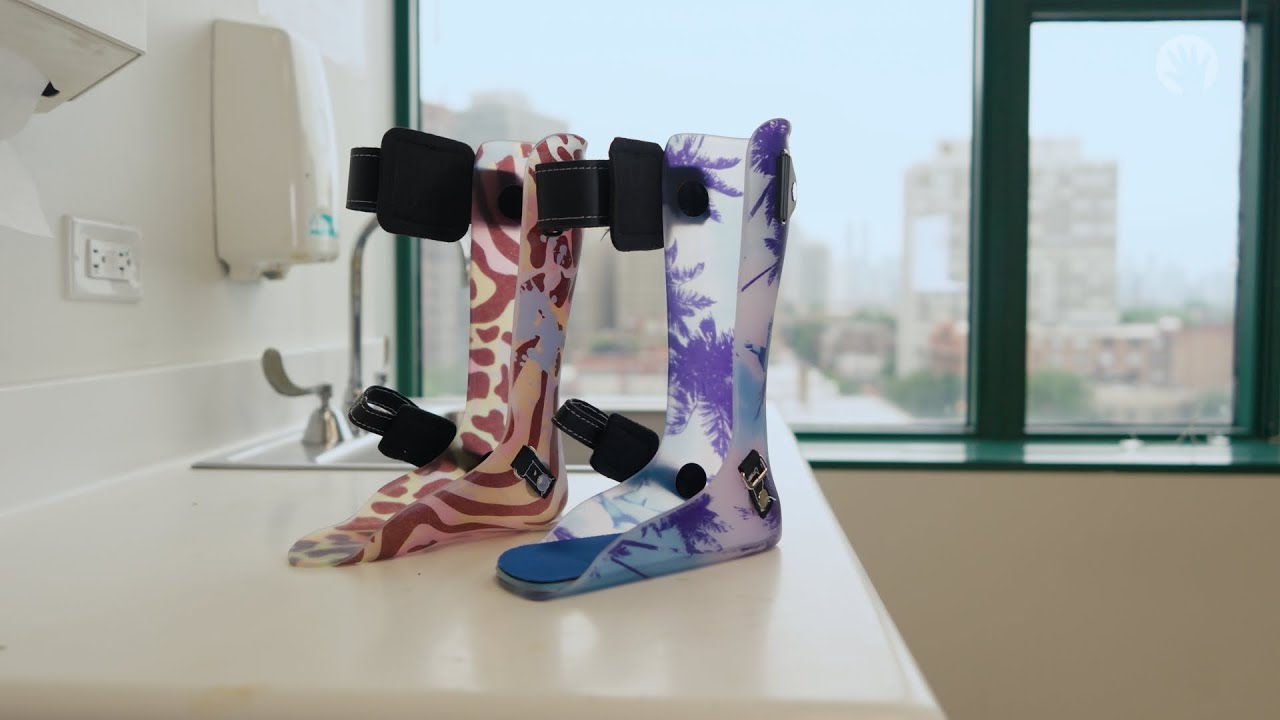
| AFO (Ankle-Foot Orthosis) | Stabilize ankle and foot | Cerebral palsy, toe walking |
| SMO (Supramalleolar Orthosis) | Control ankle movement | Balance and stability issues |
| KAFO (Knee-Ankle-Foot Orthosis) | Support entire lower limb | Severe mobility challenges |
Each device is designed with flexibility in mind, ensuring it supports the child without restricting natural movement.
The Custom Fitting Process
A key component of effective pediatric orthotic care is customization. Proper fitting ensures comfort, compliance, and effectiveness.
The process typically includes:
- Comprehensive Evaluation: A detailed assessment of the child’s gait, posture, and physical condition
- Measurement and Casting: Precise measurements or 3D scans to create a custom-fit device
- Device Fabrication: Tailoring materials and design to the child’s needs
- Fitting and Adjustments: Ensuring the device fits comfortably and functions correctly
- Ongoing Monitoring: Regular follow-ups to adjust for growth and progress
In our sessions, we’ve seen that children are far more likely to wear their orthotics consistently when the device fits well and feels comfortable.
Real-Life Case Examples
Case Study 1: Improving Gait in a Toddler
A 3-year-old child presented with persistent toe walking. After evaluation, a custom ankle-foot orthosis (AFO) was recommended.
Within three months:
- The child demonstrated improved heel contact
- Balance and stability increased
- Parents reported greater confidence during walking
This case highlights how early orthotic intervention can reshape movement patterns during critical developmental stages.
Case Study 2: Addressing Flat Feet in a School-Aged Child
An 8-year-old experienced foot pain and fatigue during physical activity due to flat feet.
After being fitted with custom foot orthotics:
- Pain significantly decreased
- Endurance improved during sports
- Posture alignment became more stable
We’ve seen similar outcomes in many children where proper support allows them to participate more fully in daily activities.
Case Study 3: Supporting Mobility in Cerebral Palsy
A child diagnosed with cerebral palsy struggled with balance and walking independently.
With the use of a custom AFO:
- Walking distance increased
- Muscle tightness reduced
- Independence improved in school settings
This example demonstrates how orthotics can enhance not just physical ability but overall quality of life.
The Role of Parents and Caregivers
Parents play a crucial role in the success of pediatric orthotic treatment. Consistency and encouragement are key factors.
Here’s how parents can support their child:
- Ensure regular use of the orthotic device
- Monitor for discomfort or fit issues
- Attend follow-up appointments
- Encourage physical activity and therapy exercises
In practice, we’ve noticed that children whose families are actively involved tend to adapt more quickly and achieve better outcomes.
Integrating Orthotics with Therapy
Pediatric orthotics often work best when combined with other therapies, such as physical therapy or occupational therapy.
This integrated approach helps:
- Strengthen muscles
- Improve coordination
- Reinforce proper movement patterns
For example, a child using an AFO may also participate in physical therapy to build strength and balance, enhancing the effectiveness of the orthotic device.
Addressing Common Concerns
Will orthotics limit my child’s movement?
No. Properly designed pediatric orthotics support movement rather than restrict it. They guide natural motion while improving alignment.
Are orthotics uncomfortable?
When custom-fitted correctly, orthotics should be comfortable. Some adjustment time is normal, but persistent discomfort should be addressed.
How often do orthotics need to be replaced?
Children grow quickly, so orthotics may need to be replaced every 6–12 months, depending on growth and wear.
The Long-Term Benefits of Pediatric Orthotics
The impact of pediatric orthotics extends far beyond immediate improvements. Over time, these devices can:
- Promote proper musculoskeletal development
- Prevent secondary complications
- Enhance independence and confidence
- Improve participation in school and activities
In many cases, early orthotic use reduces the need for more invasive interventions later in life.
Choosing the Right Provider in New York
Selecting a qualified provider is essential to achieving the best results. Look for professionals with:
- Experience in pediatric care
- A personalized, child-centered approach
- Access to advanced fitting technologies
- Strong collaboration with therapists and healthcare providers
In a diverse and fast-paced environment like New York, having access to specialized pediatric orthotic care ensures children receive timely and effective support.
Final Thoughts
Pediatric orthotics play a vital role in supporting the healthy growth and development of children facing mobility and alignment challenges. From improving gait to enhancing independence, these devices offer both immediate and long-term benefits.
Through early intervention, customized care, and consistent follow-up, children can achieve meaningful progress in their physical development. Real-world outcomes consistently show that the right orthotic support can transform a child’s ability to move, play, and thrive.
For families seeking expert guidance and personalized care, working with an experienced provider like Orthotics Ltd. can make all the difference in helping children reach their full potential. Contact us today!
Frequently Asked Questions
1. At what age can a child start using orthotics?
Children can begin using orthotics as early as infancy, depending on their condition. Early evaluation is key to determining the right timing.
2. How do I know if my child needs orthotics?
Signs include frequent tripping, toe walking, foot pain, or unusual gait patterns. A professional evaluation can provide clarity.
3. Can orthotics correct my child’s condition permanently?
Orthotics often guide proper development and may reduce or eliminate issues over time, but outcomes vary depending on the condition.
4. Are pediatric orthotics covered by insurance?
Many insurance plans provide coverage, especially when orthotics are deemed medically necessary. Verification is recommended.
5. How long does it take for a child to adjust to orthotics?
Most children adapt within a few weeks. Gradual wear and proper fit help ease the transition.
Sources:
- https://pmc.ncbi.nlm.nih.gov/articles/PMC11919298/
- https://www.chop.edu/conditions-diseases/flat-feet-in-children
- https://www.mayoclinic.org/diseases-conditions/toe-walking/symptoms-causes/syc-20378410
- https://pubmed.ncbi.nlm.nih.gov/17341675/
- https://www.childrenshospital.org/conditions-treatments/walking-gait-abnormalities
- https://pmc.ncbi.nlm.nih.gov/articles/PMC10887911/
