

Can You Shower or Swim With a Prosthetic Leg? What You Need to Know
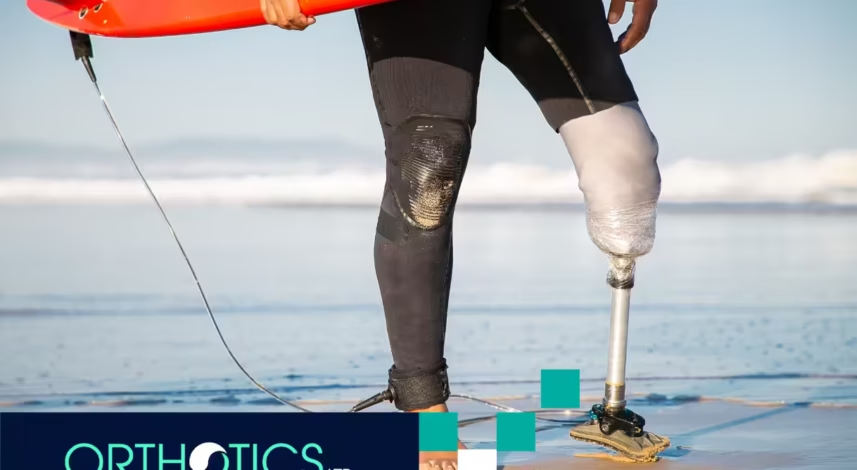
Most standard prosthetic legs are not waterproof, but waterproof and water-resistant prosthetics are available for showering, bathing, and swimming. If you’re a new amputee, the question “Can you shower with a prosthetic leg?” is one of the most practical concerns you’ll face. Here’s what you need to know to care for your prosthetics and stay safe and comfortable around water.
Standard Prosthetics and Water Don’t Mix
Most everyday prosthetic legs contain electronic components, foam padding, and metal parts that can corrode, rust, or short-circuit when exposed to moisture. Mixing a standard prosthetic leg and water can lead to costly damage, skin irritation, or device failure. For this reason, most amputees remove their everyday prosthesis before showering and use a shower chair, grab bars, or crutches for safe bathing with a prosthesis routine.
Waterproof and Water-Resistant Options
A waterproof prosthetic limb is specifically designed to be fully submerged in water, making it ideal for showering, beach trips, or pool use. These devices use sealed components, corrosion-resistant materials, and specialized sockets that drain easily.
A water-resistant prosthetic can handle splashes, rain, or brief water exposure but isn’t built for full submersion. It’s a middle-ground option for patients who want occasional flexibility without the cost of a fully waterproof device.
Swimming With a Prosthetic
Swimming with a prosthetic is absolutely possible with the right device. Dedicated swim prostheses or waterproof activity legs are built for pool and ocean use, featuring fins or specialized feet for propulsion. Some amputees prefer to swim without a prosthesis, while others rely on one for balance and confidence in the water. Your prosthetist can help you choose the best setup for your lifestyle.
Understanding whether you can shower with a prosthetic leg depends entirely on the device you have, and the good news is that waterproof options exist for nearly every lifestyle. At Orthotics Ltd., we help patients navigate the intricacies of prosthetic care in New York and find the right prosthetic solution for showering, swimming, and everyday life, with custom fittings and expert guidance every step of the way. Contact us today to schedule your consultation and discover prosthetic options that move with you, on land or in water.Frequently Asked Questions
1. Will insurance cover a waterproof prosthetic leg?
Some insurance plans cover a second waterproof device as medically necessary, especially for hygiene and safety. Coverage varies by plan.
2. Can I rinse my regular prosthetic leg?
No. Wipe the socket and liner with a damp cloth instead. Submerging or rinsing a standard prosthesis can cause permanent damage.
3. How do I dry a waterproof prosthetic after use?
Rinse with fresh water to remove chlorine or salt, then towel dry and air out the socket and liner thoroughly to prevent bacterial growth.
Sources:
- https://pmc.ncbi.nlm.nih.gov/articles/PMC6453049/
- https://eng.vt.edu/magazine/stories/fall-2025/prosthetic-foot-for-a-young-swimmer.html
