

What Materials Are Used in Orthotics?
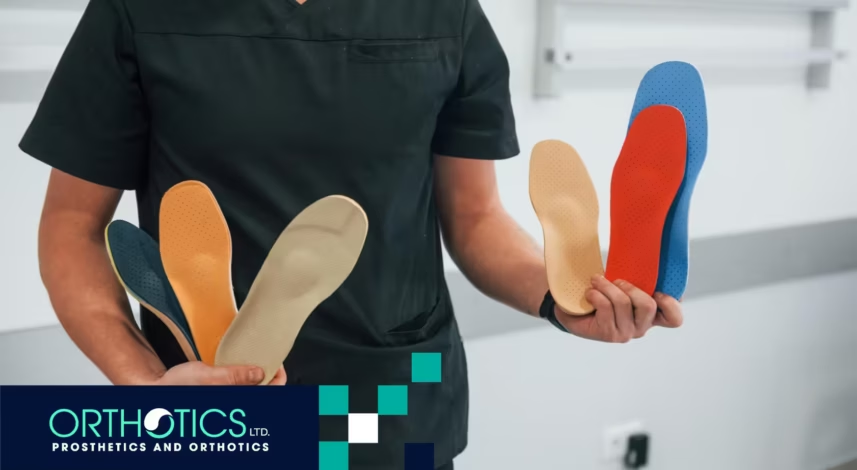
Discover what materials are used in orthotics, including plastics, metals, and composites, to enhance support, durability, and comfort.
Orthotics are designed to support, align, and improve function in the body, and the materials used directly impact their effectiveness. Common materials include:
- Thermoplastics: Lightweight, moldable, and widely used for custom-fit orthotics.
- Metals: Aluminum and stainless steel provide strength for joint support and braces.
- Foam and EVA: Offer cushioning, shock absorption, and comfort.
- Carbon Fiber Composites: Extremely strong yet lightweight, often used in sports or high-activity orthotics.
- Silicone and Rubber: Flexible and durable, suitable for liners and padding.
Frequently Asked Questions
1. Which material is best for daily-use orthotics?
Thermoplastics and foam are commonly used for comfort and everyday support.2. Are carbon fiber orthotics durable?
Yes, they are lightweight, strong, and ideal for active users.3. Can silicone liners improve comfort?
Yes, silicone provides cushioning and reduces friction for better comfort.Sources:
- https://my.clevelandclinic.org/health/treatments/orthotics
- http://www.aapsm.org/orthotic-materials.html
